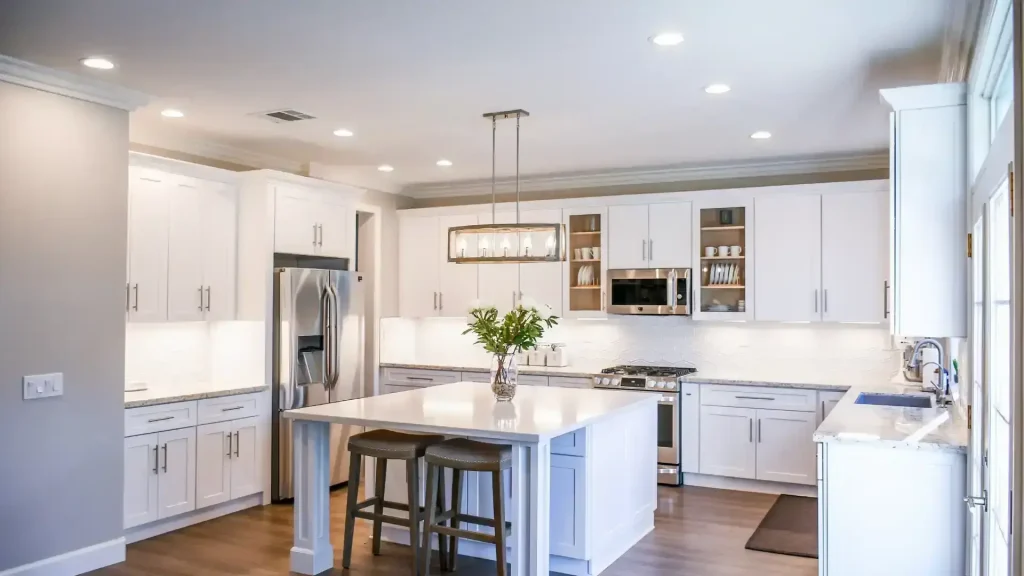
Kitchen Remodel Frequent Questions
FAQ – Kitchen Remodel
Remodel Planning a kitchen remodel can feel exciting and overwhelming at the same time. From budgeting and timelines to choosing finishes and understanding permits, homeowners often have the same important questions before starting. This Kitchen Remodel FAQ is designed to give you straightforward, helpful answers so you can plan with confidence. Whether you’re updating cabinets and countertops or doing a full kitchen renovation, these frequently asked questions will help you understand the process, avoid surprises, and get the best results for your home in Philadelphia.
1. How can interior design improve the layout and flow of my kitchen remodel?
Interior design plays a critical role in kitchen remodeling because it goes beyond aesthetics it improves functionality. A well-designed kitchen considers the work triangle (sink, stove, refrigerator), traffic flow, storage placement, lighting layers, and visual balance. Professional interior design ensures your space feels open, efficient, and cohesive while reflecting your personal style.
2. How much does a kitchen remodel typically cost?
Kitchen remodel costs vary depending on size, materials, and scope of work. A mid-range remodel may include new cabinets, countertops, flooring, backsplash, lighting, and appliance upgrades. High-end renovations involving layout changes, structural modifications, or custom cabinetry require a larger investment. Working with a licensed contractor ensures accurate budgeting and cost transparency.
3. How long does a full kitchen remodel take?
A full kitchen remodel typically takes several weeks, depending on the complexity of the project. Timelines include demolition, framing (if needed), plumbing, electrical, inspections, cabinet installation, countertops, flooring, and final finishes. Proper planning helps prevent delays and ensures smooth project execution.
4. Do I need permits for a kitchen remodel?
Permits are usually required if your kitchen remodel involves plumbing relocation, electrical upgrades, structural changes, or wall removal. A professional contractor handles permit applications and ensures the project meets local building codes and inspection requirements.
5. Does a kitchen remodel increase home value?
Yes, kitchen remodeling is one of the most valuable home improvement investments. Updated kitchens with modern design, quality materials, and improved layout significantly increase buyer appeal and resale value. Even modest updates can make a strong impact in competitive real estate markets.
6. Why should I hire a licensed contractor for my kitchen remodel?
Hiring a licensed general contractor ensures your kitchen remodel is built correctly, safely, and according to code. Contractors coordinate trades (plumbing, electrical, carpentry), manage timelines, handle permits, and maintain quality control. This reduces stress and prevents costly mistakes during construction.
Kitchen Interior Design Questions
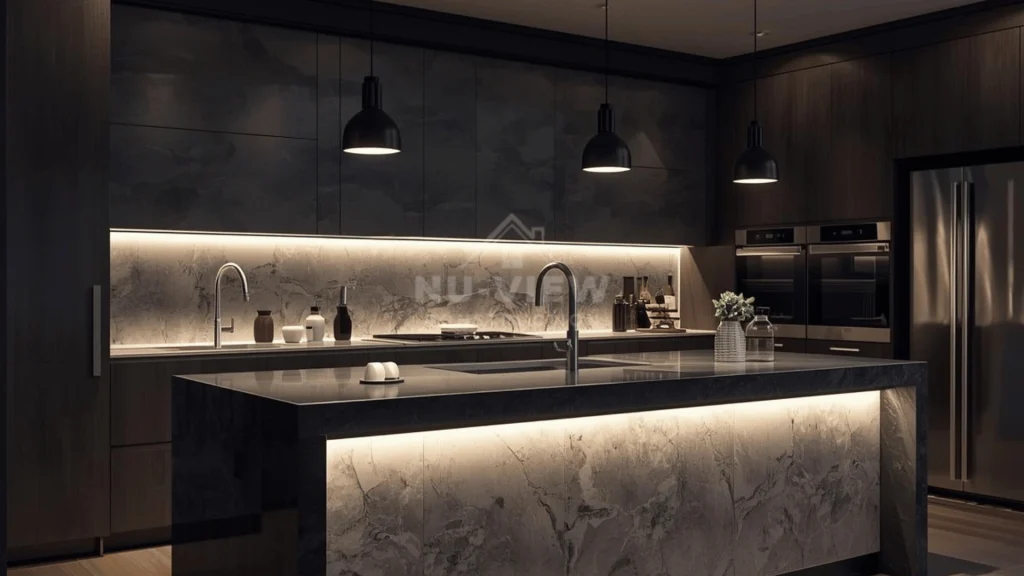
How can interior design improve the layout and flow of my kitchen remodel?
Interior design plays a critical role in kitchen remodeling because it goes beyond aesthetics it improves functionality. A well-designed kitchen considers the work triangle (sink, stove, refrigerator), traffic flow, storage placement, lighting layers, and visual balance. Professional interior design ensures your space feels open, efficient, and cohesive while reflecting your personal style.
How should I design my kitchen island for both style and function?
A kitchen island should serve multiple purposes prep space, seating, storage, and sometimes cooking. Interior design planning helps determine the right size, seating layout, overhang depth, lighting fixtures, and material contrast. A properly designed island can become the centerpiece of your kitchen remodel while improving workflow.
What interior design trends are popular for modern kitchen remodels?
Modern kitchen remodels are moving toward warm natural tones, mixed materials, statement islands, layered lighting, and custom cabinetry. Many homeowners are choosing textured backsplashes, quartz countertops, wood accents, and integrated appliances to create a clean but inviting look. Functionality and minimal clutter remain key design priorities.
What is the best way to design kitchen lighting during a remodel?
Kitchen lighting should include three layers: ambient lighting (general illumination), task lighting (under-cabinet and prep areas), and accent lighting (pendants, decorative fixtures). A thoughtful lighting plan enhances safety, highlights materials, and elevates the overall design. Lighting design is often overlooked but dramatically impacts the final result.
Kitchen Cabinet Installation Questions
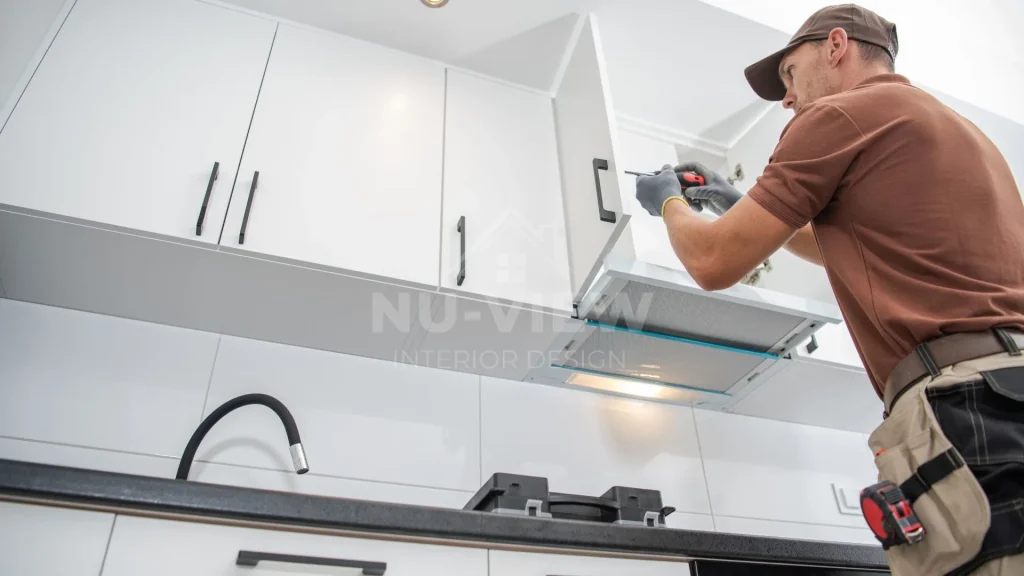
How much does cabinet installation cost during a kitchen remodel?
Cabinet installation costs depend on kitchen size, cabinet type (stock, semi-custom, custom), and complexity of layout. Factors that increase cost include ceiling-height cabinets, crown molding, filler panels, and modifications for uneven walls. Professional installation ensures proper leveling and secure fastening, which protects your long-term investment.
Can new cabinets be installed without replacing countertops?
In some cases, yes but it depends on countertop condition and how the existing cabinets were installed. Removing cabinets can damage countertops, especially stone. Many homeowners choose to replace both together to ensure proper alignment and avoid gaps or height inconsistencies.
Should I choose custom cabinets or semi-custom for my kitchen remodel?
Custom cabinets offer full design flexibility, maximizing storage and fitting unique layouts. Semi-custom cabinets provide affordability with solid durability. The right choice depends on budget, kitchen size, and storage needs. A professional contractor can help evaluate long-term value vs upfront cost.
How long does cabinet installation take during a kitchen remodel?
In some cases, yes but it depends on countertop condition and how the existing cabinets were installed. Removing cabinets can damage countertops, especially stone. Many homeowners choose to replace both together to ensure proper alignment and avoid gaps or height inconsistencies.
What are the most durable cabinet materials for kitchens?
Solid wood, plywood box construction, and high-quality MDF with durable finishes are common in modern kitchen remodeling. Soft-close hinges, full-extension drawer slides, and moisture-resistant finishes significantly improve durability. Avoid low-grade particle board in high-moisture environments.
Should cabinets go all the way to the ceiling?
Ceiling-height cabinets are increasingly popular because they:
Maximize storage
Eliminate dust-collecting gaps
Create a custom, high-end appearance
This design choice works especially well in modern and transitional kitchen remodels.
Kitchen Flooring Installation Questions

What is the best flooring for a kitchen remodel in high-traffic homes?
Luxury Vinyl Plank (LVP) – water-resistant and durable
Porcelain tile – long-lasting and moisture-resistant
Engineered hardwood – warm look with stability
The best choice depends on household traffic, pets, moisture exposure, and budget. Flooring should be installed with proper subfloor preparation to prevent future movement or damage.
How should I design my kitchen island for both style and function?
Is luxury vinyl plank (LVP) good for kitchen remodeling?
Yes. LVP is one of the most searched flooring materials today because it’s water-resistant, durable, and cost-effective. It performs well in busy households and offers wood-look aesthetics without the maintenance concerns of traditional hardwood.
What flooring lasts the longest in a kitchen?
Porcelain tile is one of the most durable long-term options. It resists moisture, scratches, and heavy foot traffic. Proper installation with correct underlayment and subfloor preparation is essential for longevity.
Should kitchen flooring be installed before or after cabinets?
In most professional remodels, flooring is installed before base cabinets for a seamless finish and easier future layout changes. However, material type and project scope can influence this decision. A contractor will determine the best sequence to avoid height issues or appliance misalignment.
Can I match my kitchen flooring with the rest of my house?
Yes, and many homeowners prefer a seamless flooring transition for open-concept layouts. Consistent flooring improves visual flow and makes the home feel larger. A contractor can assess expansion joints and height differences to ensure smooth transitions.
Do I need to replace my subfloor during a kitchen remodel?
Not always, but it depends on moisture damage, structural integrity, and previous installation quality. During demolition, your contractor should inspect the subfloor to prevent future squeaks, movement, or uneven surfaces.
Kitchen Island Design Questions
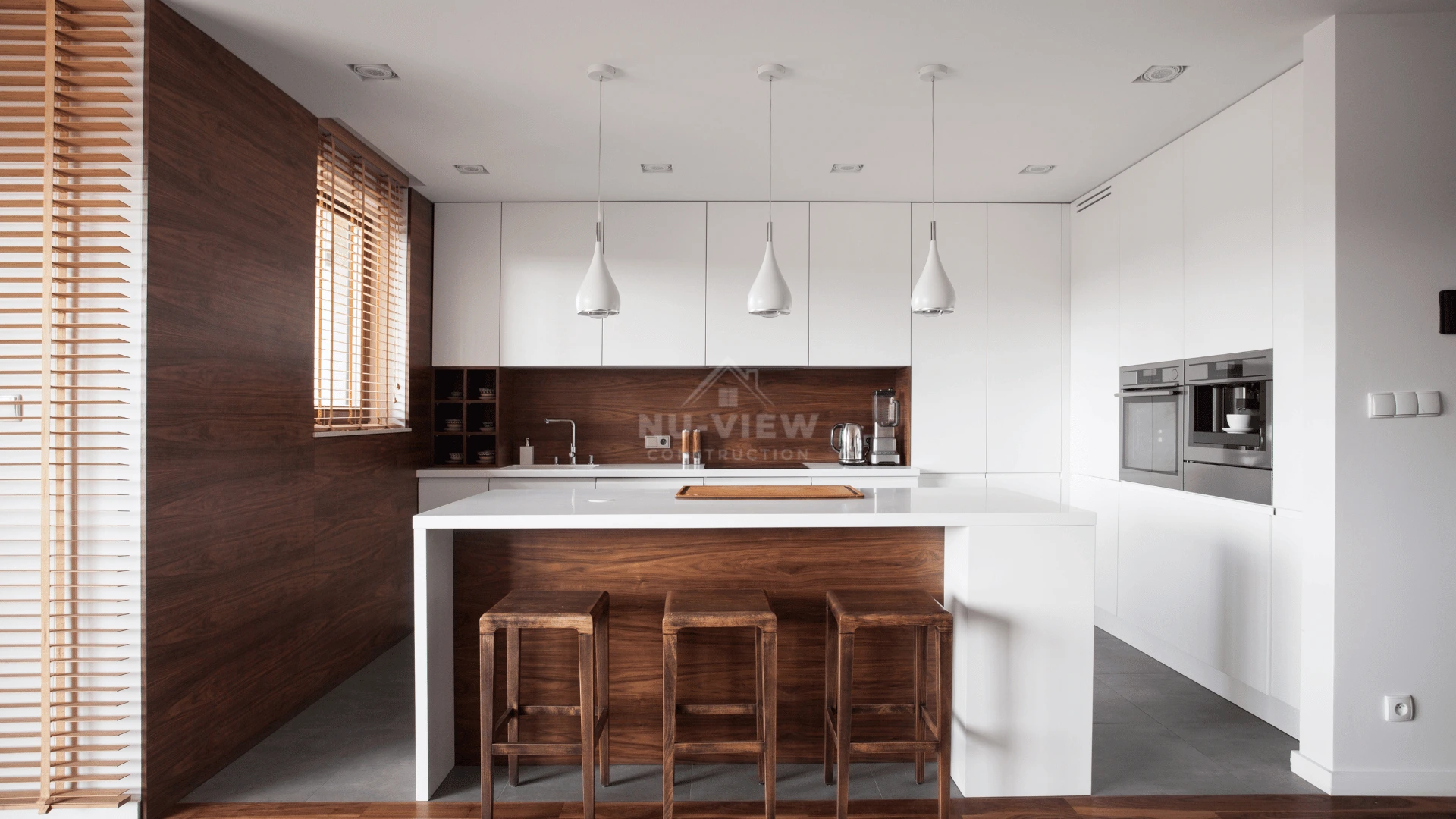
How big should my kitchen island be?
A properly sized island must allow:
36–42 inches clearance around all sides
Proper seating overhang (typically 12 inches)
Enough surface for prep space
Oversized islands can restrict movement, while undersized islands limit function. A remodeling professional ensures correct proportions based on kitchen dimensions.
Does adding a kitchen island increase home value?
Yes. Kitchen islands are highly desirable in today’s real estate market. They improve functionality, add seating, increase storage, and create a central gathering space. A well-designed island can significantly boost buyer appeal.
How much does it cost to remodel or add a kitchen island?
Costs vary depending on size, cabinetry, countertop material, plumbing, electrical work, and structural changes. Islands with sinks, cooktops, or waterfall countertops require additional trades and increase the overall investment.
Is adding a sink or cooktop to my island worth it?
Adding plumbing or electrical to an island increases functionality but also adds cost. It works well for large kitchens where prep flow benefits from centralized water or cooking access. For smaller kitchens, a simple prep island with storage and seating may be more efficient.
Can I add an island to a small kitchen?
Possibly! but it requires careful layout planning. A minimum of 36 inches of clearance around the island is recommended for safe movement. In tighter spaces, a peninsula or narrow prep island may be a better solution.
Should my kitchen island match my cabinets?
Not necessarily. Two-tone kitchens are trending, where the island contrasts the perimeter cabinets.
For example:
White cabinets + navy island
Wood perimeter + painted island
Neutral cabinets + bold accent island
Contrast adds depth and visual interest while maintaining cohesion.
Call us now at 267 203 4880 to schedule a consultation and let us help you turn your vision into reality we serve in Philadelphia and New Jersey.