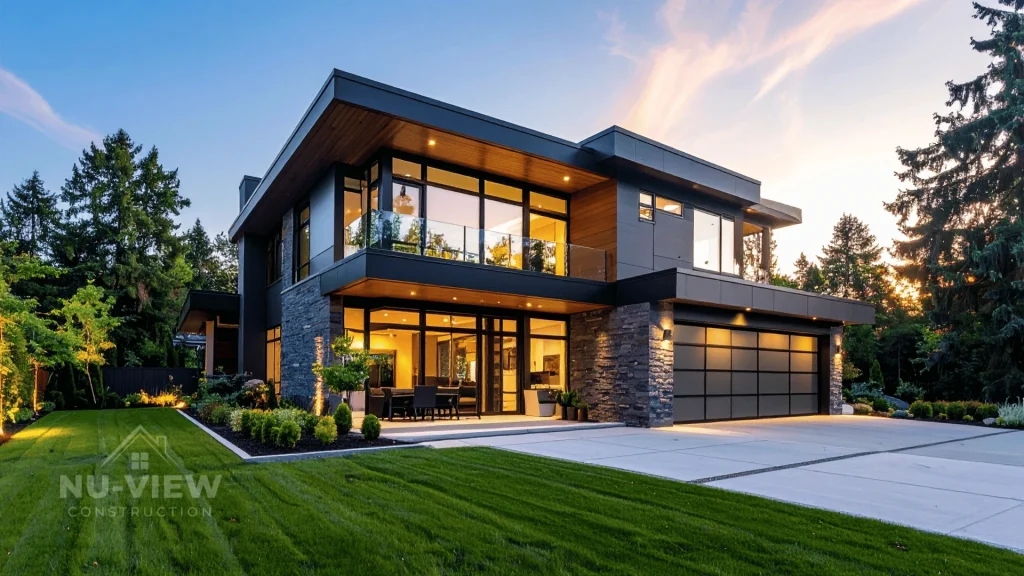
Residential Construction Frequent Questions
FAQ – Residential Construction
Starting a residential construction project is a major investment that requires careful planning and trusted guidance. Whether you’re building an addition, renovating your home, or starting new construction, questions about costs, permits, timelines, and materials are common. This Residential Construction FAQ is here to give you straightforward insights so you can move forward with clarity and confidence.
What is included in residential construction services?
Residential construction includes new home builds, home additions, structural renovations, major remodeling, and exterior improvements. It covers everything from planning and design coordination to permitting, construction, and final inspections.
A professional contractor manages materials, subcontractors, scheduling, and code compliance to ensure the project is completed safely and efficiently.
How much does residential construction cost?
The timeline for a residential construction project varies based on the size and scope of the work. Smaller renovations or interior updates may take several weeks, while home additions or new construction projects can take several months from planning to final inspection.
Factors such as permit approvals, design changes, material lead times, weather conditions, and inspection scheduling can all influence the overall timeframe.
A detailed construction schedule created at the start of the project helps coordinate trades efficiently, reduce delays, and keep the process organized from beginning to end.
Do I need permits for residential construction?
Yes, most residential construction projects require permits especially if they involve structural changes, electrical work, plumbing, or expanding square footage.
Permits ensure your project meets local building codes and safety standards.
Value Tip: Working with a licensed contractor who handles permits protects you from future legal or resale issues.
How do I choose the right residential construction contractor?
Look for a licensed and insured contractor with proven experience in projects similar to yours. Review past work, ask for references, and request a detailed written proposal.
Clear communication and transparency are key indicators of a reliable construction partner.
How do I choose the right residential construction contractor?
Look for a licensed and insured contractor with proven experience in projects similar to yours. Review past work, ask for references, and request a detailed written proposal.
Clear communication and transparency are key indicators of a reliable construction partner.
How can I prepare my home for a construction project?
Before construction begins, remove personal belongings from work areas, protect valuables, and establish a temporary living plan if needed.
Open communication with your contractor about access, working hours, and expectations helps minimize disruption and keeps the project running smoothly.
Value Tip: Planning ahead for dust control and temporary space adjustments makes the construction process much more manageable.
Residential Interior Design Questions
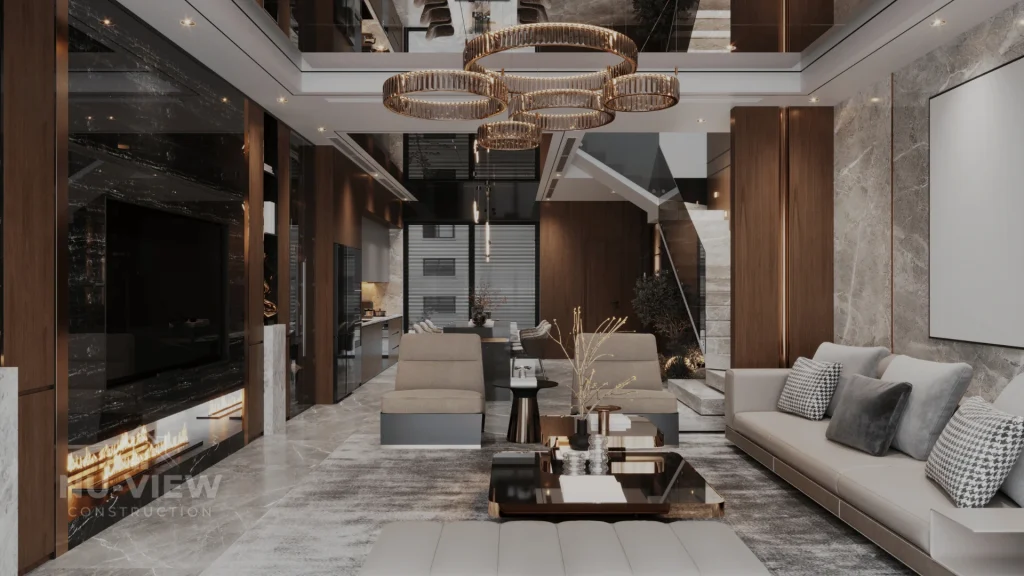
What is residential interior design in construction projects?
Residential interior design in construction goes beyond decorating. It involves planning layouts, selecting materials, coordinating finishes, optimizing lighting, and ensuring every design element works cohesively within the structure of the home.
Interior design during construction ensures that functionality, aesthetics, and long-term durability are considered from the very beginning of the project.
How do you create a cohesive interior design throughout the home?
A cohesive interior design starts with a consistent color palette, complementary materials, and coordinated finishes across all rooms. Flooring transitions, trim details, lighting styles, and hardware selections should flow naturally from one space to another.
This approach creates visual harmony and enhances the overall experience of the home.
How does interior design impact home value?
Thoughtful interior design can significantly increase property value. Buyers are drawn to homes with balanced layouts, quality materials, and well-coordinated finishes.
Upgraded kitchens, bathrooms, flooring, and lighting systems often provide strong returns because they directly impact daily comfort and usability.
Why is interior design important during residential construction?
Integrating interior design early in the construction process prevents costly changes later. Decisions about flooring, cabinetry, lighting placement, ceiling height, and wall layouts all impact the final look and feel of the space.
Value Tip: Designing alongside construction planning ensures electrical outlets, plumbing fixtures, and structural elements align perfectly with your vision.
What are the most popular interior design styles for residential construction?
Modern, transitional, contemporary, and farmhouse-inspired designs are among the most requested styles. Many homeowners prefer neutral tones, natural textures, layered lighting, and functional open layouts.
Value Tip: Choosing timeless materials rather than overly trendy finishes helps protect your home’s long-term resale value.
Can interior design improve small or older homes?
Yes. Smart interior design can completely transform smaller or outdated homes. Strategic lighting, better space planning, built-in storage, and cohesive finishes can make rooms feel larger and more functional without expanding square footage.
Value Tip: Sometimes layout optimization delivers greater impact than increasing size — thoughtful design maximizes every square foot.
Living Room Remodel Questions
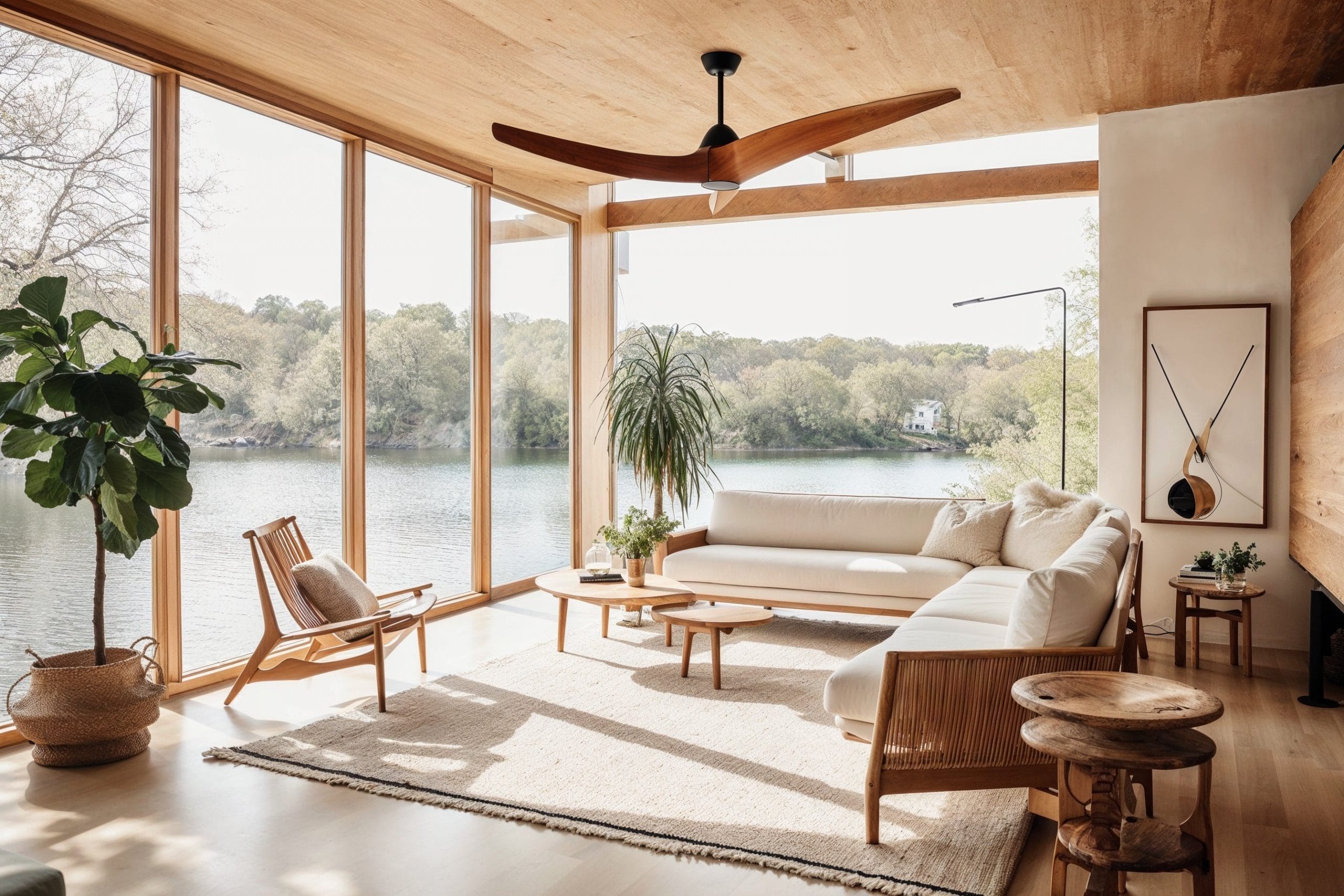
What is included in living space remodeling?
Living space remodeling can include updating flooring, lighting, walls, ceilings, built-ins, fireplaces, staircases, and layout reconfiguration. It may also involve removing walls to create open-concept designs or improving structural elements.
The goal is to enhance comfort, functionality, and visual appeal while increasing overall home value.
Will remodeling my living space increase home value?
Yes. Modernizing living areas, improving layout flow, and upgrading finishes can significantly increase both resale value and buyer appeal.
Value Tip: Neutral color palettes and timeless design choices typically offer better long-term value than overly trendy finishes.
How much does it cost to remodel a living room or common area?
Costs vary depending on the scope of work, materials selected, and whether structural changes are required. Cosmetic updates cost significantly less than full layout reconfigurations that involve framing, electrical, or structural modifications.
Value Tip: Clearly defining your priorities design upgrades vs. structural improvements helps allocate your budget more effectively.
Can I live in my home during the remodel?
In most cases, yes. Living space remodels can often be phased to minimize disruption. However, dust control and limited access to certain areas should be expected during active construction.
Clear communication and scheduling help ensure a smoother process.
Room Addition Questions
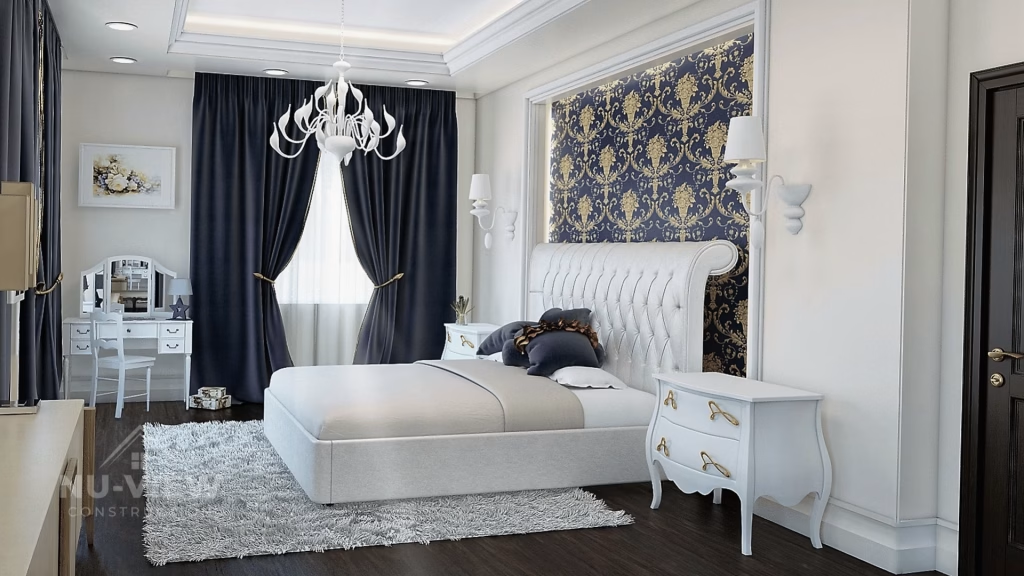
What types of room additions can be built?
Room additions can include bedroom additions, master suites, home offices, family rooms, in-law suites, or expanded kitchens. Some projects also include second-story additions or garage conversions.
The type of addition depends on your property size, zoning regulations, and long-term needs
How long does it take to complete a room addition?
Most room additions take several months from planning and permitting to final inspection. The timeline depends on size, structural requirements, weather conditions, and material availability.
Proper scheduling ensures each phase foundation, framing, roofing, mechanical work, and finishing is completed efficiently.
Will a room addition increase my home’s value?
In many cases, yes. Adding livable square footage, especially bedrooms or master suites, can significantly increase property value and functionality.
Value Tip: Additions that improve everyday usability tend to provide stronger returns than highly specialized spaces.
How much does a room addition cost?
Room addition costs vary based on square footage, foundation work, roofing integration, plumbing, and electrical requirements. Adding bathrooms or kitchens increases complexity and investment.
Value Tip: Matching the new addition seamlessly with the existing home design protects long-term resale value.
Do room additions require permits?
Yes. Room additions almost always require permits because they involve structural changes, electrical systems, plumbing, and expansion of square footage.
Working with an experienced contractor ensures all permits, inspections, and building codes are properly managed.
Is it better to build up or build out?
Building out (expanding the footprint) is often simpler but requires available yard space. Building up (adding a second story) maximizes lot size but may involve additional structural reinforcement.
A professional site evaluation helps determine the most practical and cost-effective approach for your property.
Stair Remodeling Questions
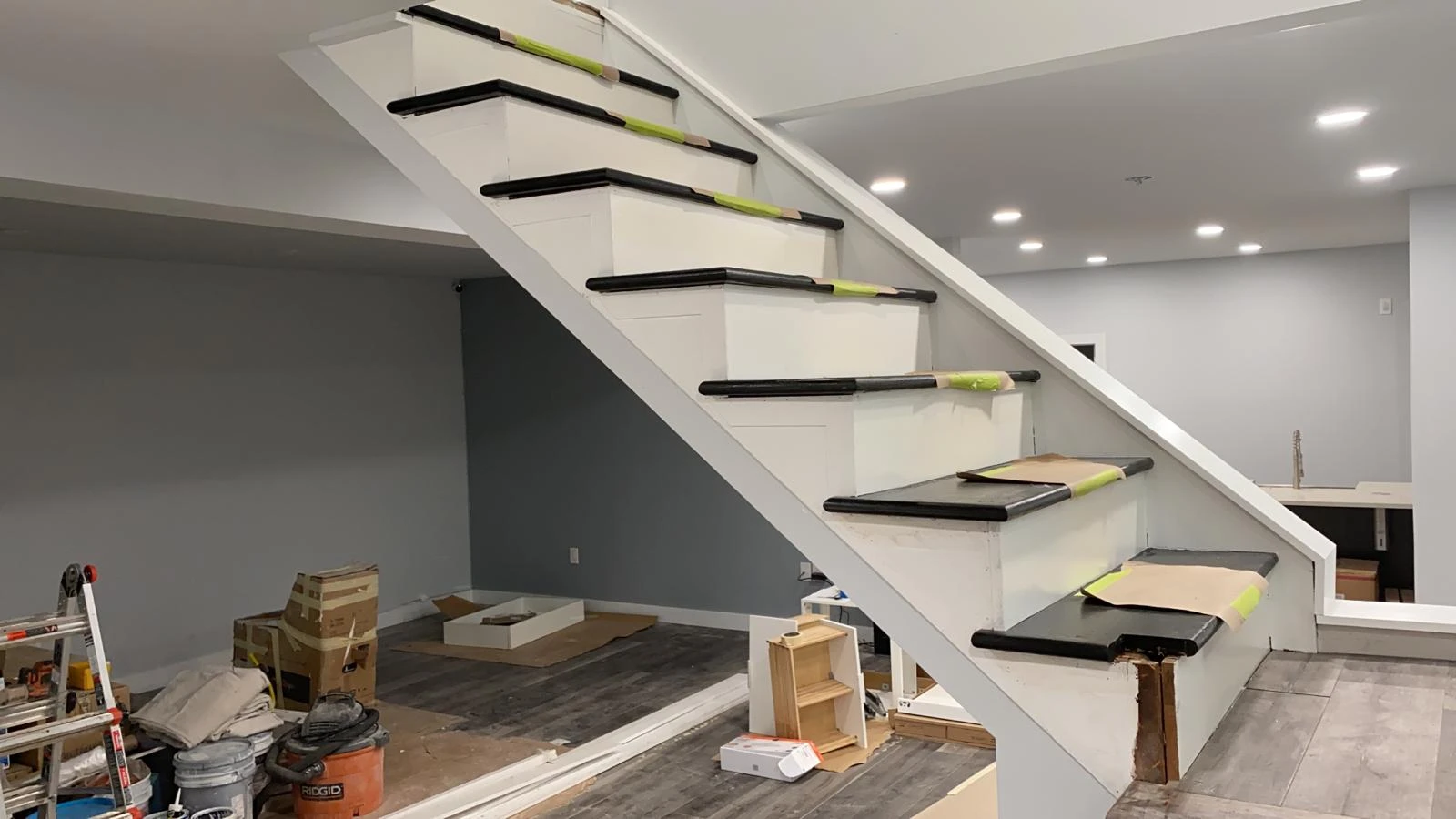
Can I update my stair railings without replacing the entire staircase?
Yes, in many cases you can replace just the railings, balusters, or handrails without rebuilding the full staircase. This is one of the most popular stair remodeling upgrades.
Swapping outdated wood spindles for iron balusters or modern horizontal rail systems can completely transform the look of your home at a lower cost than full replacement.
Value Tip: Matching your new railing finish to door hardware or light fixtures creates a cohesive, updated interior design.
Are open-concept or floating staircases safe?
Open staircases and floating designs are structurally safe when properly engineered and built to code. They require precise framing and secure anchoring to meet safety standards.
Glass panels or horizontal metal railings are often used to maintain openness while ensuring protection.
Value Tip: Always confirm spacing requirements between balusters to comply with child safety guidelines.
Do stair remodels require permits?
Permits may be required if structural modifications are involved, such as relocating the staircase, altering framing, or changing load-bearing elements. Cosmetic updates like refinishing or railing replacement typically do not require permits.
Working with a licensed contractor ensures your stair renovation meets local building codes and safety standards.
How can I modernize my existing wooden staircase?
Older oak staircases can be dramatically updated by refinishing the treads, painting the risers, or changing stain colors. Many homeowners choose darker treads with white risers for a clean, contemporary contrast.
Replacing bulky newel posts or adding sleek handrails also enhances the overall appearance without structural demolition.
Can I change the stain color of my stairs without replacing them?
Yes. If your stair treads are solid hardwood, they can often be sanded and refinished in a new stain color. This is a cost-effective way to align your staircase with new flooring or a remodel.
However, engineered materials or veneer surfaces may have limitations, so professional evaluation is important before refinishing.
Does remodeling a staircase increase home value?
Yes. Staircases are highly visible architectural features, especially near entryways and open living spaces. A modernized staircase enhances first impressions and elevates the overall interior design.
Value Tip: Because stairs connect multiple levels of the home, upgrading them often improves the visual flow of the entire space making the investment impactful beyond just one area.
Call us now at 267 203 4880 to schedule a consultation and let us help you turn your vision into reality we serve in Philadelphia and New Jersey.