When planning a renovation or construction project, understanding the costs associated with hiring a general contractor is vital. In Philadelphia, general contractors play a pivotal role in managing your project from start to finish, ensuring that everything runs smoothly and within budget. This guide will provide you with a thorough understanding of general contractor fees, pricing structures, and what you can expect to pay based on various project types.
1. Understanding General Contractor Charges
General contractors in Philadelphia typically charge based on two main structures: a percentage of the total construction cost or an hourly/daily rate for smaller tasks. Here’s a closer look at what you can expect:
- Percentage Markup on Construction Costs: General contractors usually charge between 10% and 20% of the total construction costs. This markup covers their overhead, profit margin, and any additional costs associated with managing your project.
- Hourly Rate: For smaller jobs or specific tasks, contractors may charge between $50 and $150 per hour.
- Daily Rate: For larger projects that may require a full day of work, expect to pay between $300 and $500 per day.
2. Detailed Pricing for Different Types of Projects
The cost of hiring a general contractor can vary significantly depending on the type and scale of your project. Here’s a breakdown of average costs and contractor fees for common types of projects:
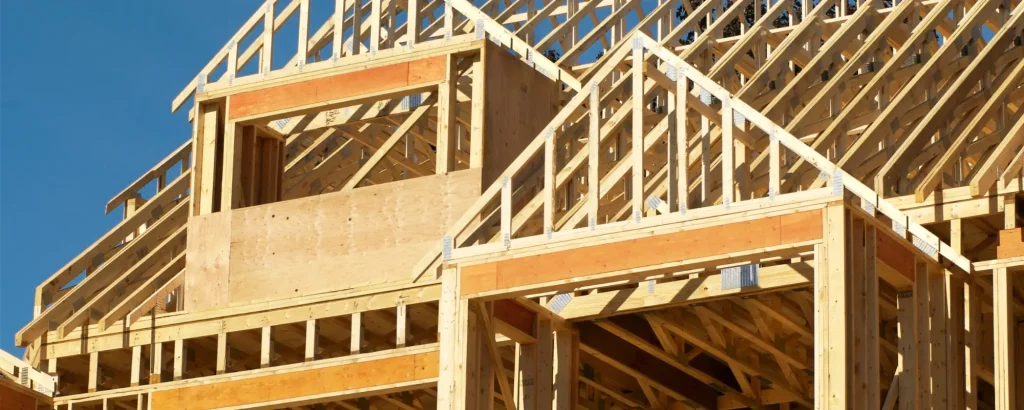
Building a New Home
- Average Total Construction Cost: $178,000 – $416,000
- General Contractor Fees: $18,000 – $83,000
- Details: Costs vary based on the size of the house, materials used, and complexity of the design. Contractors manage everything from permits to subcontractor coordination.
Home Additions
- Average Total Cost: $22,500 – $74,000+
- General Contractor Fees: $2,200 – $15,000
- Details: Adding a room or extending your home involves careful planning and execution. The cost will depend on the size and type of addition.
- Average Total Cost: $73,000+
- General Contractor Fees: $2,000 – $15,000
- Details: Renovating an entire home includes updating multiple rooms, which can impact the total cost. This fee range includes overseeing the entire renovation process.
- Average Total Cost: $20,000 – $50,000+
- General Contractor Fees: $550 – $3,000
- Details: Remodeling a bathroom involves updating fixtures, tiles, and potentially reconfiguring the layout. The cost varies based on the extent of the remodel.
Small Bathroom Remodel
- Average Total Cost: $10,000 – $20,000
- General Contractor Fees: $250 – $2,000
- Details: A smaller bathroom remodel focuses on essential updates and improvements, with costs reflecting the scale of work.
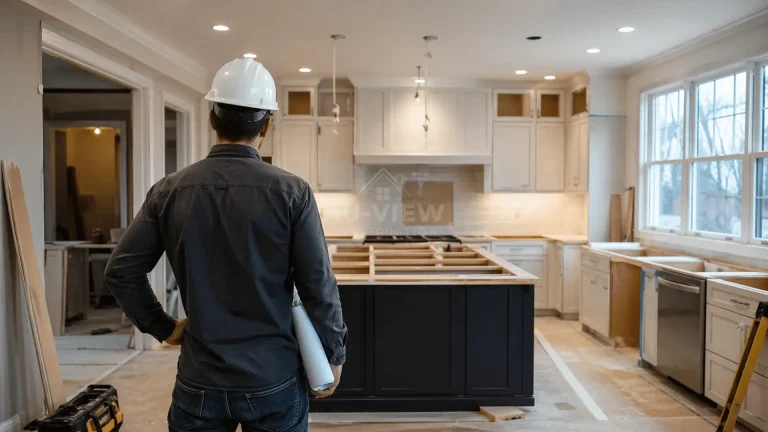
- Average Total Cost: $20,000 – $70,000+
- General Contractor Fees: $1,300 – $4,300
- Details: Kitchen remodels are extensive, often involving new cabinets, countertops, and appliances. The cost is influenced by the size of the kitchen and choice of materials.
- Average Total Cost: $22,000 – $46,000
- General Contractor Fees: $2,200 – $9,200
- Details: Finishing a basement can transform it into usable living space, with costs depending on the complexity of the project and the level of finishing.
3. Fee Structures and Pricing Models
General contractors use various fee structures to determine their charges:
- Percentage of Construction Costs: Typically 10% – 20%, covering management, overhead, and profit.
- Fixed Price / Lump Sum: A set amount agreed upon before work begins, often used for larger projects.
- Cost-Plus: Payment for actual costs of materials and labor plus an additional fee or percentage.
- Time & Materials (T&M): Charges based on the actual time spent and materials used, ideal for projects with unpredictable scopes.
- Hourly or Daily Rate: Common for smaller projects or specific tasks, charged at $50 – $150 per hour or $300 – $500 per day.
4. Factors Affecting General Contractor Costs
Several factors can influence the cost of hiring a general contractor:
- Project Scope: Larger and more complex projects require more time and resources, affecting overall costs.
- Location: Costs can vary within Philadelphia due to differences in local market rates and the cost of living.
- Materials and Labor: The quality of materials and labor can impact the total project cost.
- Experience and Reputation: More experienced contractors or those with a strong reputation may charge higher fees.
5. Tips for Hiring the Right General Contractor
- Request Multiple Quotes: Obtain estimates from several contractors to ensure competitive pricing.
- Verify References: Check past projects and client reviews to gauge the contractor’s reliability and quality of work.
- Review Contracts Carefully: Ensure that all costs, scope of work, and payment terms are clearly outlined in the contract.
- Communicate Clearly: Set clear expectations and maintain open communication to avoid misunderstandings and ensure project success.
6. Conclusion
Understanding general contractor costs in Philadelphia is essential for effectively managing your construction or renovation project. By being informed about the various fee structures, project types, and cost factors, you can make better decisions and work with a contractor who meets your needs. For expert advice and accurate estimates tailored to your project, contact NuView Construction today!