
Outdoor Remodel Frequent Questions
FAQ – Outdoor Remodel
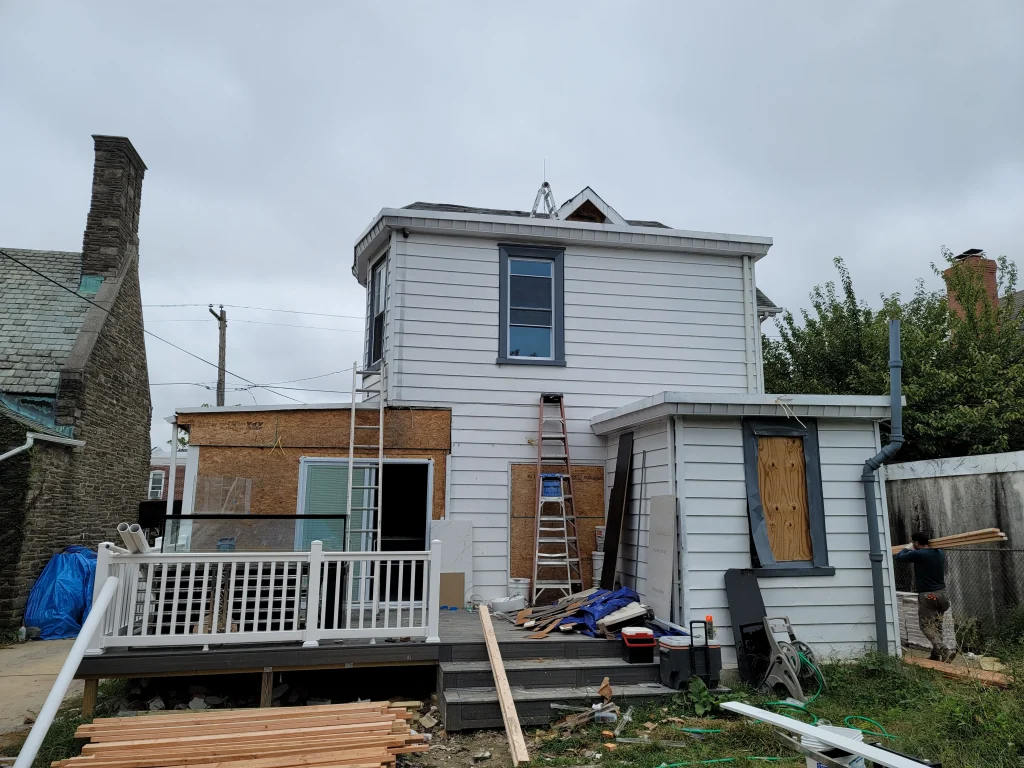
Upgrading your outdoor space can completely transform how you enjoy your home. Whether you’re planning a new deck, patio, outdoor kitchen, or full backyard renovation, outdoor remodeling requires thoughtful planning, budgeting, and material selection. Homeowners often have important questions about durability, permits, timelines, and return on investment.
What outdoor remodeling projects add the most value to a home?
Decks, patios, outdoor kitchens, covered porches, and professionally designed landscaping are among the most valuable exterior upgrades. Functional outdoor living spaces that extend usable square footage tend to offer the strongest return.
Features that create defined entertaining areas such as built-in seating, lighting, and weather protection increase both enjoyment and resale appeal.
Value Tip: Choose designs that complement your home’s architecture to maintain visual consistency and long-term value.
Do I need permits for outdoor remodeling projects?
Permits are often required for structural projects like decks, covered patios, additions, or outdoor kitchens with plumbing and gas lines. Smaller cosmetic updates may not require approval.
Permit requirements vary based on scope and local building codes, so working with a licensed contractor ensures compliance and avoids future complications.
Is a deck or patio a better investment?
The right choice depends on your yard layout, budget, and design goals. Decks work well on sloped properties and provide elevated views, while patios are generally more cost-effective and lower maintenance.
Material selection also impacts durability and upkeep. Composite decking reduces maintenance, while pavers offer design flexibility and strength.
How long does an outdoor remodeling project take?
Project timelines vary depending on size and complexity. Smaller patio installations may take a few weeks, while larger outdoor living spaces with roofing, utilities, and custom features can take longer.
Weather conditions, inspections, and material availability can also influence scheduling.
Value Tip: Planning your outdoor remodel during off-peak seasons may reduce scheduling delays.
What materials are best for long-lasting outdoor construction?
Durability is critical in outdoor remodeling. Popular materials include composite decking, pressure-treated lumber, natural stone, concrete pavers, aluminum railings, and weather-resistant cabinetry for outdoor kitchens.
Selecting materials designed for your local climate helps prevent premature wear and reduces long-term maintenance costs.
Can outdoor remodeling improve energy efficiency?
Yes. Covered patios, pergolas, shade structures, and strategic landscaping can reduce sun exposure and lower cooling costs during warmer months.
Proper exterior design not only enhances comfort but can also improve your home’s overall efficiency and livability.
Deck Remodeling Questions
Should I repair my deck or replace it completely?
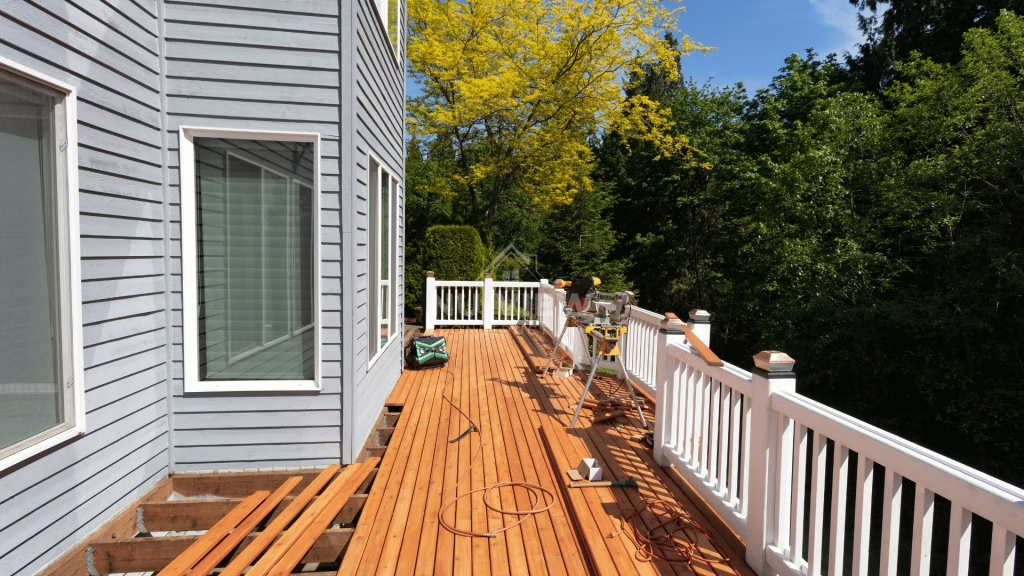
The answer depends on the condition of the framing. If the structural frame is solid and free from rot or major damage, replacing deck boards and railings may be sufficient.
However, if there is structural deterioration, instability, or code issues, a full deck rebuild may be the safer long-term solution.
Value Tip: A professional structural inspection can help determine whether resurfacing or rebuilding is the smarter investment.
How long does a deck remodeling project take?
Most deck remodeling projects take one to three weeks, depending on the size and complexity of the upgrade. Structural modifications, inspections, and custom features may extend the timeline.
Weather conditions can also impact scheduling, especially during peak outdoor construction seasons.
What is the best material for deck remodeling?
Popular options include pressure-treated wood, cedar, and composite decking. Composite materials are increasingly popular because they require less maintenance and resist rot, insects, and fading.
Natural wood offers a classic look but requires regular sealing and maintenance to preserve longevity.
Choosing the right material depends on your budget, climate, and maintenance expectations.
How much does deck remodeling cost?
Deck remodeling costs vary based on size, materials, and structural changes. Replacing deck boards and railings is more affordable than expanding the deck or rebuilding the frame.
Upgrading to premium materials like composite decking or adding features such as built-in seating, lighting, or pergolas increases the overall investment but also improves durability and value.
Do I need a permit to remodel my deck?
Permits are typically required if you are rebuilding structural components, expanding the deck footprint, or modifying height and support systems. Minor cosmetic updates may not require permits.
Working with a licensed contractor ensures your deck meets local building codes and safety standards.
Value Tip: Code-compliant decks not only improve safety but also protect resale value and simplify future home inspections.
Can I replace deck boards without replacing the frame?
Yes, if the substructure is in good condition. This process, often called deck resurfacing, involves removing old boards and installing new decking material while keeping the existing framework.
It’s a cost-effective way to modernize the appearance of your deck without starting from scratch.
Value Tip: Before resurfacing, ensure the framing meets current building codes to avoid future issues.
Porch Remodel Questions
Is it better to repair, remodel, or completely rebuild a porch?
The right option depends on the condition of the structure. If the foundation and framing are solid, updating flooring, railings, columns, and ceilings may be enough to restore both safety and appearance.
However, if there is structural rot, shifting foundations, or outdated construction that doesn’t meet current codes, rebuilding may be the safer long-term investment.
Value Tip: Addressing structural issues early prevents larger repair costs in the future.
Can I enclose my existing porch?
Yes, many homeowners choose to convert open porches into screened-in porches or fully enclosed sunrooms. Enclosing a porch provides additional usable space and protection from weather and insects.
Structural reinforcement, insulation, and window installation may be required depending on the design.
Value Tip: If you plan to heat or cool the enclosed space, proper insulation and ventilation are essential for long-term comfort.
What materials are best for porch remodeling?
Durability is key for exterior spaces. Popular materials include composite decking, pressure-treated lumber, aluminum railings, PVC trim, and weather-resistant ceiling panels.
Selecting materials designed for your local climate reduces maintenance and extends the life of your porch.
How much does a porch remodel cost?
Porch remodeling costs vary depending on size, materials, and whether structural changes are involved. Cosmetic upgrades such as new railings, flooring, or lighting are more affordable than structural expansions or full enclosures.
Adding features like composite decking, upgraded columns, or custom ceiling finishes increases both durability and visual appeal.
Do porch remodels require permits?
Permits are typically required if structural modifications, roofing changes, electrical upgrades, or enclosure conversions are involved. Minor cosmetic updates may not require approval.
Working with a licensed contractor ensures compliance with local building codes and zoning requirements.
Does remodeling a porch increase home value?
Yes. A well-designed porch enhances curb appeal and expands usable outdoor living space, which can positively impact resale value.
Buyers are often drawn to homes with inviting front porches or functional screened-in spaces that offer both comfort and character.
Value Tip: Upgrading lighting, flooring, and railings can dramatically improve first impressions without requiring a full structural rebuild.
Gazebo & Pavilion Construction Questions
What is the difference between a gazebo and a pavilion?
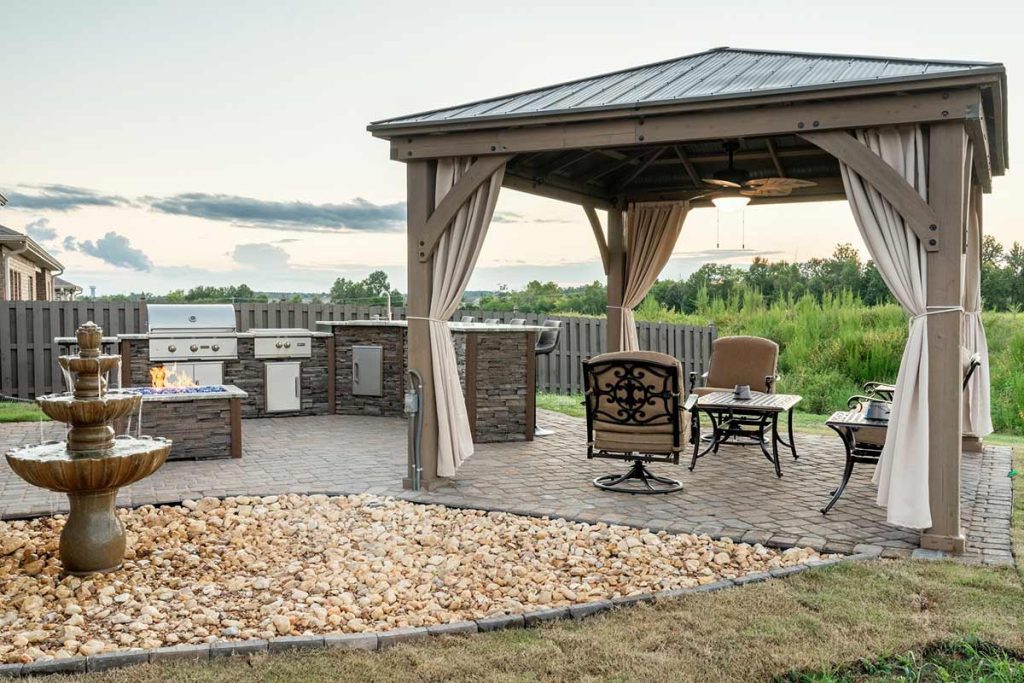
A gazebo is typically a freestanding, open-sided structure with a fully finished roof and often a more decorative design, sometimes octagonal or round. A pavilion is usually rectangular, open on all sides, and designed to cover larger gathering areas such as patios or outdoor kitchens.
Gazebos are often used as focal points in gardens, while pavilions are ideal for outdoor entertaining and dining spaces.
Value Tip: If you plan to add an outdoor kitchen or large seating area, a pavilion usually provides more functional coverage.
How much does gazebo or pavilion construction cost?
Costs vary based on size, materials, roofing type, foundation requirements, and added features. A custom-built pavilion with electrical wiring, premium roofing, or integrated lighting will require a larger investment than a simple open-frame gazebo.
Upgrades such as built-in seating, outdoor heaters, or decorative ceiling finishes increase both comfort and long-term value.
What flooring lasts the longest in a kitchen?
How long does it take to build a gazebo or pavilion?
Most gazebo or pavilion construction projects take several weeks, depending on size, site preparation, and custom features.
Factors such as foundation work, inspections, weather conditions, and material availability can affect the timeline.
Do I need a permit to build a gazebo or pavilion?
In most cases, yes especially if the structure is permanent, anchored to a foundation, or includes electrical features like lighting or ceiling fans.
Permit requirements vary depending on size, location on the property, and local building codes. Working with a licensed contractor ensures your structure meets safety and zoning regulations.
What materials are best for long-lasting outdoor structures?
Common materials include pressure-treated lumber, cedar, vinyl-wrapped posts, and composite materials. Roofing options often include asphalt shingles, metal roofing, or cedar shakes to match the main home.
Value Tip: Choosing materials that match your home’s exterior creates a seamless design and improves overall curb appeal.
Does adding a gazebo or pavilion increase property value?
Yes. Covered outdoor living spaces are highly desirable because they extend usable square footage and enhance entertaining potential.
A professionally built structure adds architectural interest, shade, and functional outdoor space — all of which can positively impact resale appeal.
Value Tip: Incorporating lighting, ceiling fans, or integrated seating makes the structure more versatile and usable throughout the year.
Call us now at 267 203 4880 to schedule a consultation and let us help you turn your vision into reality we serve in Philadelphia and New Jersey.