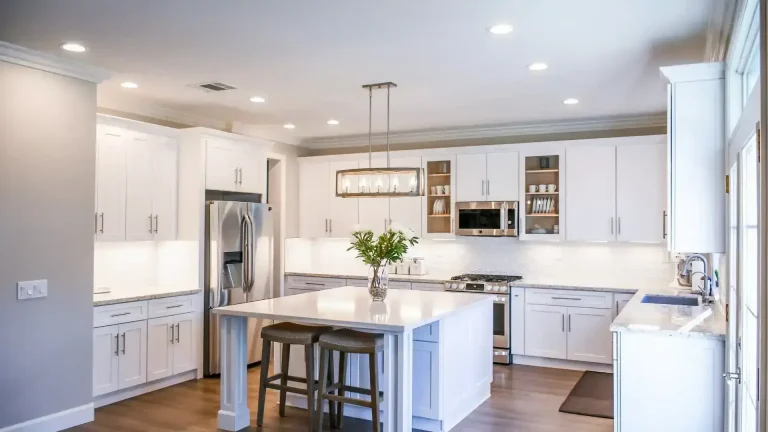


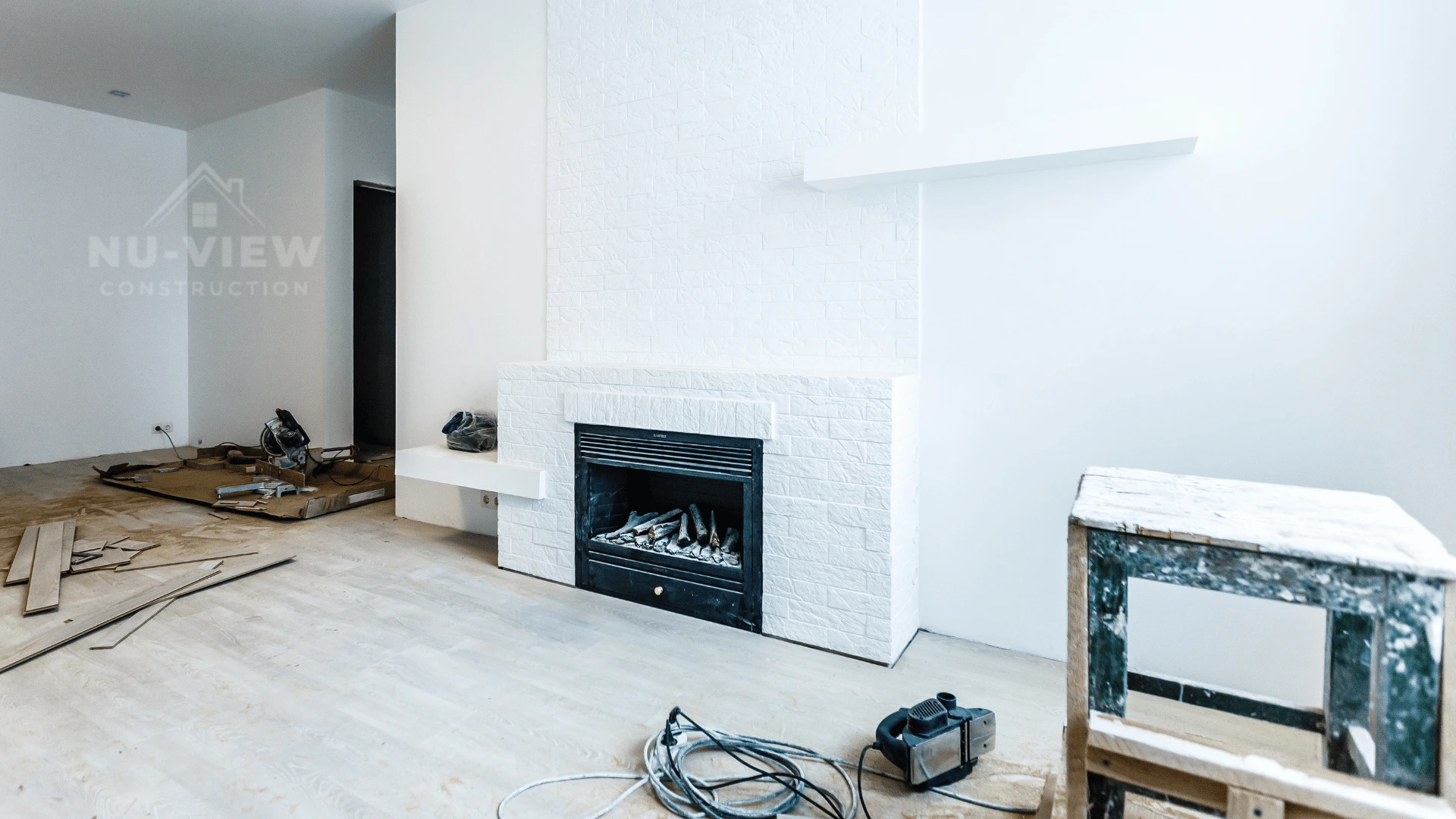

Thinking about taking your Philadelphia kitchen from “1995 rental” to “2025 chef’s kitchen”?
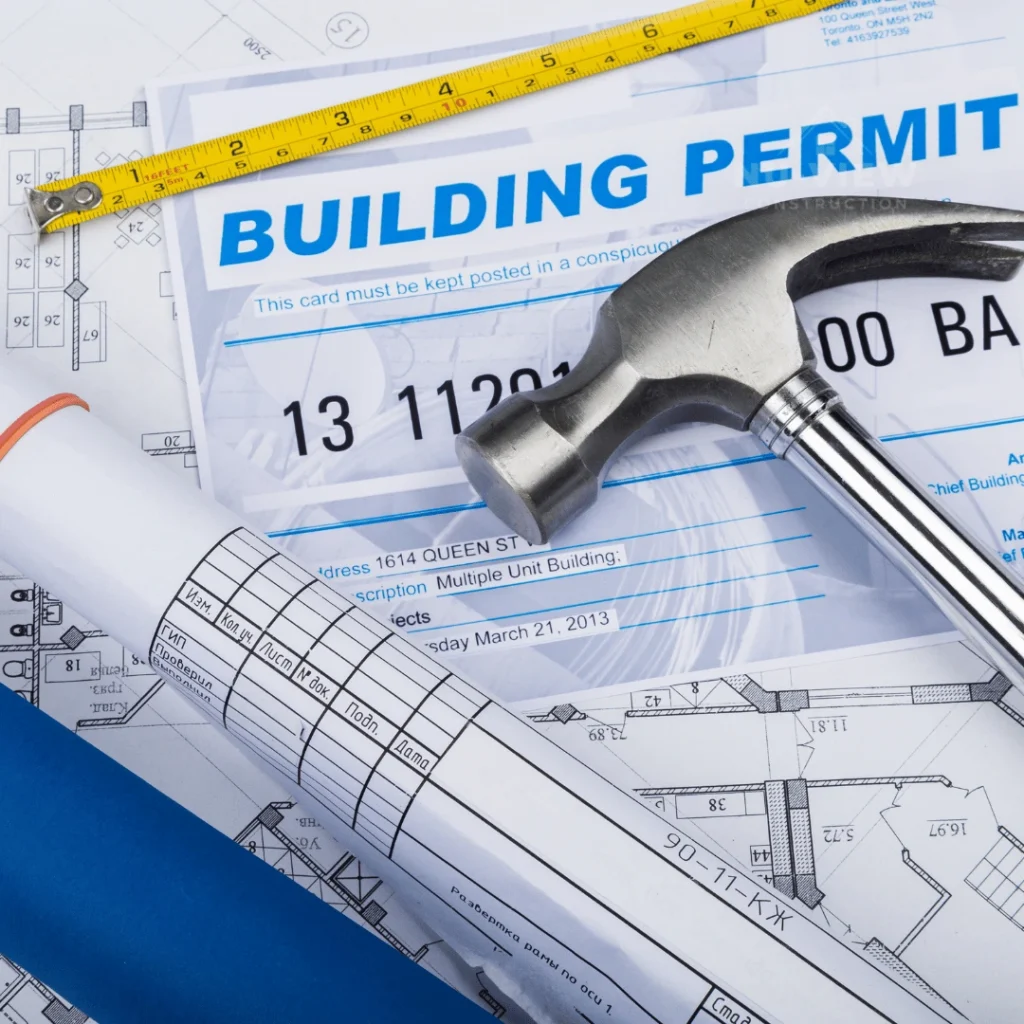
But before you order cabinets or knock down a wall, there’s one un-glamorous piece you cannot ignore the Permits in Philly; L&I (Department of Licenses & Inspections). Handled correctly, the permitting process protects your home, your budget, and your resale value. Handled poorly, it can mean stop-work orders, fines, delays, and expensive do-overs.
As a local licensed general contractor working in Philadelphia and surrounding areas, Nuview Construction deals with this every day. Below is a clear, homeowner-friendly guide to remodeling permits in Philadelphia, especially for kitchen projects.
When You Definitely Need Remodeling Permits in Philadelphia
If your kitchen remodel involves moving walls, relocating plumbing, running new electrical, or changing HVAC, you’ll almost always need permits from Philadelphia L&I. Simple swaps like new cabinets or counters might be exempt, but as soon as you touch structure or MEP systems, it’s safer (and smarter) to assume permits are required and confirm with a licensed general contractor.

2. Kitchen Expansion Rules: When Your Remodel Becomes an “Addition”
The moment you change the footprint of your kitchen like a rear bump-out, new opening to the yard, or removing a load-bearing wall you’re in kitchen expansion / home addition territory. That usually means zoning checks, structural review, and a full Building Permit, so working with a contractor who understands Philadelphia’s city code is key to avoiding design changes and delays.
3. Who Pulls the Permits: You or the Contractor?
Technically, the homeowner is responsible, but in practice your licensed general contractor and trade partners should handle pulling the proper permits. Your contract should clearly state that the contractor will obtain all needed permits, and you should verify both their license and your permits through the city’s online tools to avoid unlicensed work and legal headaches.
4. How Long Do Philadelphia Kitchen Permits Take?
Most straightforward kitchen remodel permits in Philadelphia take a few weeks for review, while projects with structural changes or additions can take longer. A clean, complete application and a contractor who knows the system can speed things up—so plan permit time into your schedule rather than expecting to start construction right away.

5. Ongoing Oversight, Enforcement & Cultural Change
Perhaps the most far-reaching impact is cultural: building safety is no longer a one-off exercise at completion; it’s a continuous obligation.
The Act establishes the Building Safety Regulator, within the Health and Safety Executive, to oversee building safety and enforce the new regime.
For existing buildings, this results in:
Mandatory registration and ongoing oversight for higher-risk buildings.
The potential for enforcement action, including improvement notices, stop notices, and even criminal sanctions where duties are breached.
A clear expectation that owners and managers will:
Embed safety into day-to-day operations.
Maintain competence and training across their teams.
Treat resident engagement as a core part of safety management, not an optional extra.
Bottom line for existing structures
The days of “build it and forget it” are over.
Existing buildings are now under a living regulatory framework, with safety risk management expected to be as routine as service charge budgeting or planned maintenance.
FAQ Permit Remodel Trends
1. Do I really need a permit for my kitchen remodel in Philadelphia?
If your remodel involves electrical, plumbing, HVAC, or structural work, then yes—L&I generally requires permits, and most full kitchen remodels fall into that category. City of Philadelphia+1
If you’re unsure, assume you do need one until a qualified contractor or the city confirms otherwise.
2. How long does it take to get kitchen permits approved?
For a typical residential kitchen remodel:
Straightforward jobs may be reviewed in 2–3 weeks
More complex projects (structural changes, additions, zoning issues) can take 4–8+ weeks
The more complete and clear your application, the faster it tends to move. MatrixGC+2PTT EDU+2
3. Can I pull my own permits, or does my contractor have to?
In many cases, homeowners can apply for certain permits, but:
It’s usually better for your licensed general contractor and trades to pull trade permits
Your contract should spell out who is responsible
If a contractor is pressuring you to pull permits “to keep them off the radar,” that’s a red flag The Building Code Forum+1
4. What happens if I remodel my kitchen without permits?
Possible consequences include:
Stop-work orders from L&I
Fines and fees
Being forced to open walls back up for inspection
Problems when you try to sell, refinance, or insure the property
Often it’s much cheaper to do it right the first time than to fix an unpermitted remodel later.
Ready to Transform Your Space with NuView Construction!
If you’re planning a kitchen remodel, expansion, or small home addition in Philadelphia or nearby suburbs, Nuview Construction can:
Review your ideas and flag what needs permits
Prepare code-compliant plans with structural and MEP in mind
Pull all required permits and coordinate inspections
Deliver a clean, modern kitchen that’s beautiful, safe, and fully compliant
You get the new kitchen you’ve been picturing—without the permitting headaches.
📞 Contact us today for a consultation and bring your dream staircase to life in the heart of Philadelphia !
Call us now at 267-435-2479 to schedule a consultation and let us help you turn your vision into reality.
Our Blog
home remodelers, general contractors near me, remodeling contractors in my area, contractors for home repairs, home improvement company near me