Interior designer support can completely change how a Philadelphia remodel feels not just how it looks. When you’re updating a city rowhome, trinity, narrow townhouse, or an older stone home in the suburbs, you’re not just choosing pretty finishes… you’re trying to make challenging spaces work for modern life.
These homes come with quirks: odd layouts, limited storage, dark middle rooms, and “mystery walls” you’re nervous to touch. An interior designer, especially as part of a design-build remodeling team, helps you navigate all of that with a clear plan and a cohesive vision.
Instead of guessing your way through a major remodel, you get expert guidance, smart space planning, and a home that looks like your inspiration photos but functions for the way you actually live. Here’s how to get the most from your designer and your remodel in Philadelphia.
1. Understand Who You’re Hiring: Designer vs. Decorator
First things first: not everyone who helps with “design” does the same job.
Interior designers typically handle:
Space planning and how rooms flow
Layout changes, walls, built-ins, and lighting plans
Coordinating with architects, engineers, and contractors
Permanent finishes like flooring, tile, cabinetry, and fixtures
Decorators focus more on:
Furniture, rugs, window treatments, and art
Color schemes and accessories
Styling spaces after the layout and construction are done
You’re doing a remodel in Philadelphia—maybe opening up a rowhome, completely redoing a kitchen, or combining small rooms. That’s real construction. For that, you want an interior designer, not just someone to pick throw pillows.

2. Start with Your Life, Not Just Your Pinterest Board
“Modern interior tips” are everywhere online, but the best design starts with how you live, not what’s trending.
Before your first design meeting, think about:
What frustrates you about your current layout?
Where does clutter pile up?
Who uses which spaces, and at what times of day?
Do you entertain a lot—or hardly ever?
Do you need quiet zones for working or studying?
This is especially important in Philadelphia homes, where you might be dealing with:
Long, narrow floor plans
Small or chopped-up rooms
Limited natural light in the center of the house
A good interior designer will ask a lot of questions that sound more like lifestyle coaching than design:
“Where do you drop your keys and mail?”
“Do you cook most nights, or mostly order in?”
“Where do kids do homework?”
All of that feeds into a smarter layout, better storage, and lighting that actually supports your daily routines.
3. Communicate Clearly: What You Love, Hate, and Absolutely Need
You don’t need design jargon you just need opinions.
The fastest way to get great results when working with an interior designer is to be very clear about:
What you love
What you don’t love
What you cannot live without
A simple way to prep:
Make a “YES” folder and a “NOPE” folder of rooms, finishes, and details
In each image, point out what’s working: “this cabinet style,” “this wood tone,” “this type of lighting”
Share your deal-breakers: “no glossy cabinets,” “no open shelving,” “no high-maintenance marble”
Your designer’s job is to find patterns in your likes and dislikes. Maybe you think you like “a little of everything,” but your designer will notice you consistently gravitate to:
Clean lines but warm, natural materials
Light walls with darker, grounded accents
Simple, modern interiors with a few classic details
4. Choose a Design-Build Remodeling Team for Less Stress
You can hire a separate interior designer and a separate contractor. But if they’re not used to working together, you’re the one stuck in the middle when:
The design doesn’t match the budget
The contractor says something “can’t be done” mid-project
Details get lost between drawings and the field crew
That’s why so many homeowners prefer design-build remodeling—one team that handles both design and construction.
With a design-build team like Nuview:
Your interior designer and your project manager are on the same side from day one.
Construction realities (older wiring, plaster walls, Philadelphia code requirements) are considered as the design develops.
Pricing, scheduling, and design updates are coordinated instead of pieced together from different companies.
Benefits of design-build for your remodel:
One point of contact for questions and updates
Fewer “surprises” once walls are opened
Quicker decision-making when small changes pop up
A smoother, more predictable experience from first concept to final walk-through
This approach keeps your interior design Philadelphia project grounded in what’s buildable, legal, and realistic—without sacrificing style.

5. Trust the Process but Stay Involved
Working with a designer doesn’t mean you hand over your home and disappear. It means you have a clear process and a partner to guide you through big decisions.
A typical Nuview design-build process looks like this:
Discovery & Walkthrough
We tour your space, talk about what’s working and what’s not, and review your goals and budget.
You share your home design inspiration so we understand your taste.
Concept & Layout
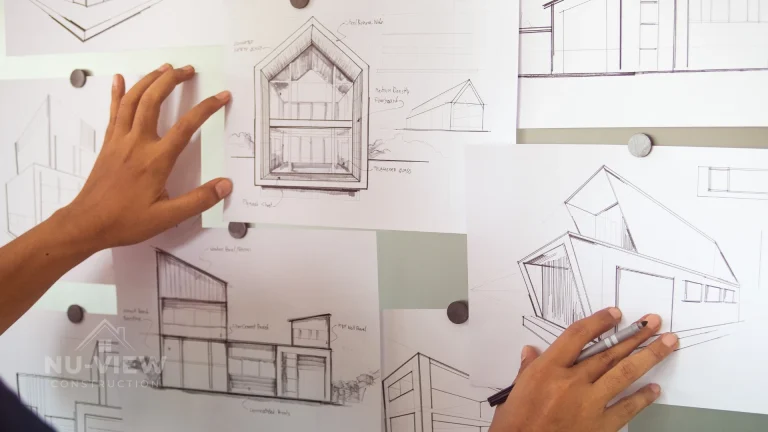
Your designer creates floor plans and mood boards that show how your new space will function and feel.
We review options for layouts, storage solutions, and major design moves (like removing walls or adding built-ins).
Design Development & Selections
You and your designer pick out cabinetry, counters, flooring, tile, lighting, hardware, and paint—step by step, not all at once.
Our construction team checks everything for feasibility and keeps an eye on your investment level.
Documentation & Pricing
We produce detailed drawings and specifications for the build team.
You get a clear scope, schedule, and pricing before construction begins.
Construction & Final Details
The Nuview construction team brings the design to life.
Your designer stays involved to ensure the finished space matches the vision—from tile layout to lighting placement and final styling suggestions.
Your role throughout:
Show up to key meetings (in person or virtual)
Give timely, honest feedback—especially when something doesn’t feel like you
Ask questions when you don’t understand a detail or a choice
Then let your design-build remodeling team do what they do best
When everyone stays in their lane—designer designing, builder building, homeowner deciding and approving—you get a remodel that feels intentional, personal, and cohesive.
FAQ Kitchen Remodel Trends
1. Do I really need an interior designer for my remodel, or can my contractor handle it?
A contractor focuses on how to build; an interior designer focuses on what to build and why. For anything beyond a basic refresh like changing layouts, opening walls, or redesigning a kitchen or bathroom working with an interior designer gives you a clear plan, cohesive style, and better use of space. When your designer and contractor work together (ideally in a design-build setup), you avoid mismatches between the design, the budget, and the actual construction.
2. What’s the benefit of choosing a local interior designer in Philadelphia?
A local interior design Philadelphia team understands the quirks of city homes rowhouses, trinities, narrow townhomes, older construction, and local code requirements. They know common layout pitfalls, what tends to work best in long, narrow floor plans, and which modern interior tips actually make sense for real Philadelphia living. Plus, they’re more familiar with local suppliers, showrooms, and permitting realities, which helps keep your project smoother and more efficient.
3. How should I prepare before my first interior design meeting?
You don’t need a full vision board—just clear input. Before your first meeting, it helps to:
List what frustrates you about your current space
Note your must-haves and “never again” items
Save a few photos or screenshots as home design inspiration
Think about how you use each room on a normal day (not just when it’s perfectly clean)
This gives your designer a strong starting point and helps them tailor ideas to your lifestyle instead of generic trends.
4. What is design-build remodeling, and how does it help my project?
Design-build remodeling means one integrated team handles both design and construction. Instead of hiring a separate designer and contractor and trying to coordinate between them, you work with a single company that does it all. This usually means:
One main point of contact
Better alignment between design ideas and real costs
Fewer surprises once walls are opened
Faster decisions when small changes come up on site
For homeowners, that translates into a more streamlined, less stressful remodel—and a final result that actually matches the design you approved.
Ready to Transform Your Space with NuView Construction!
The top Main Line Kitchen Remodel Trends showcase a balance between luxury craftsmanship, functionality, and timeless appeal. From custom cabinetry and stone slab surfaces to layered lighting and concealed appliances, these upgrades create kitchens that are as usable as they are stunning. For homeowners investing in high-end remodeling across the Main Line, these trends represent not just a style statement but a lasting improvement in both lifestyle and property value. With a reputation for precision and taste, NuView is the trusted partner for luxury home remodeling across Bryn Mawr, Gladwyne, and the entire Main Line.
📞 Contact us today for a consultation and bring your dream staircase to life in the heart of Philadelphia !
Call us now at 267-435-2479 to schedule a consultation and let us help you turn your vision into reality.