
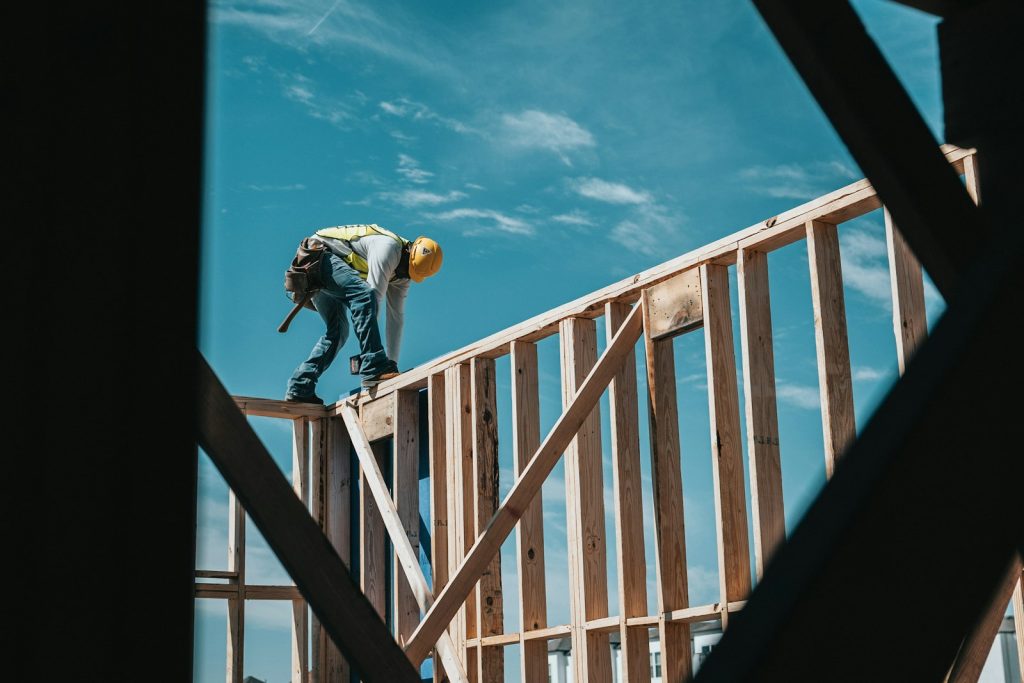
Home addition cost in Philadelphia starts at about $140,000–$150,000 for a third-floor addition and can reach $500,000–$600,000, depending on what goes into it: bathrooms, a kitchen, an elevator, a fourth floor or a roof deck. The structure is the most expensive part, and permits take months, so the planning starts long before construction.
Home addition cost in Philadelphia at a glance
| Type of addition | Typical cost with Nu-View |
|---|---|
| Third-floor addition: structure, roof, walls, windows, insulation, mechanicals and finishes | From about $140,000–$150,000 |
| Third-floor addition plus primary suite, walk-in closet, new HVAC and a second bathroom | About $180,000, like our Fishtown third-floor addition |
| Larger additions: a fourth story, more bathrooms, a kitchen, a roof deck or an elevator | Up to about $500,000–$600,000, depending on scope |
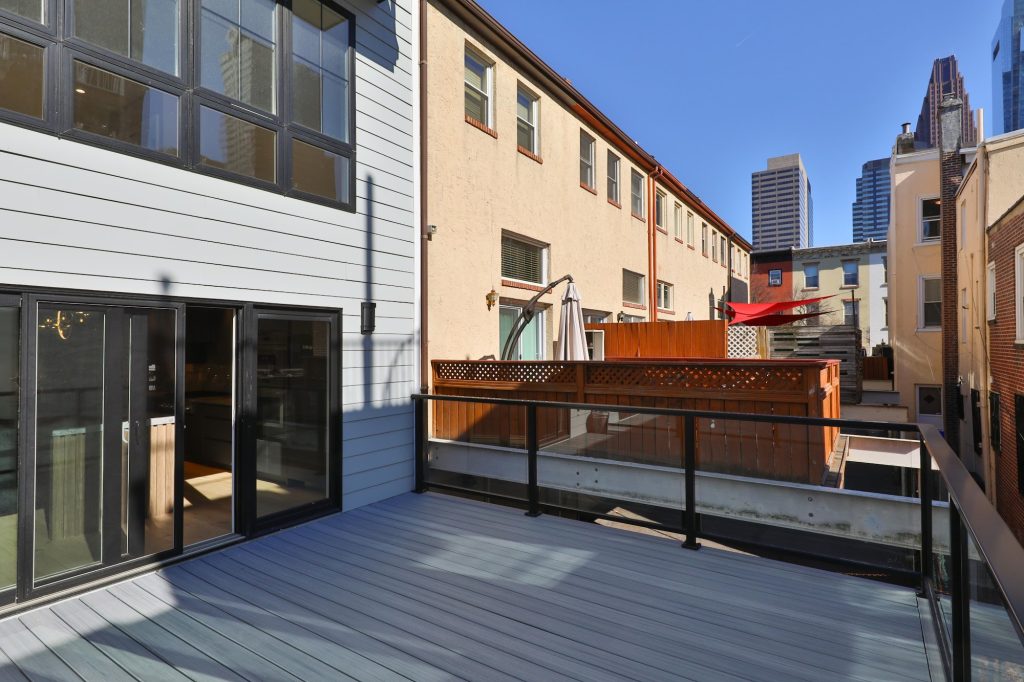
Is a home addition worth it in 2027?
Yes, we 100% recommend it, in Philadelphia and across the country. Interest rates are high, homes are hard to sell and hard to buy, loans are harder to get approved, and the market is unstable. Most people who bought before 2020 have a great interest rate. If they sell and buy a bigger house, they give that rate up.
So if you need more space, the smart move is often to make the house you already own bigger: a third floor, a fourth story, a primary suite. You keep your rate, your neighborhood and your schools, and you add value to the house.
The most expensive part of a home addition
The structure, which is also the first and riskiest phase. To add a floor, we remove the roof and the house stays open until the new floor is framed and closed in. That phase needs:
- an engineer’s design for the new load, and often new beams, studs or reinforced walls,
- a bigger crew working fast, scheduled around the weather,
- temporary protection for the house below.
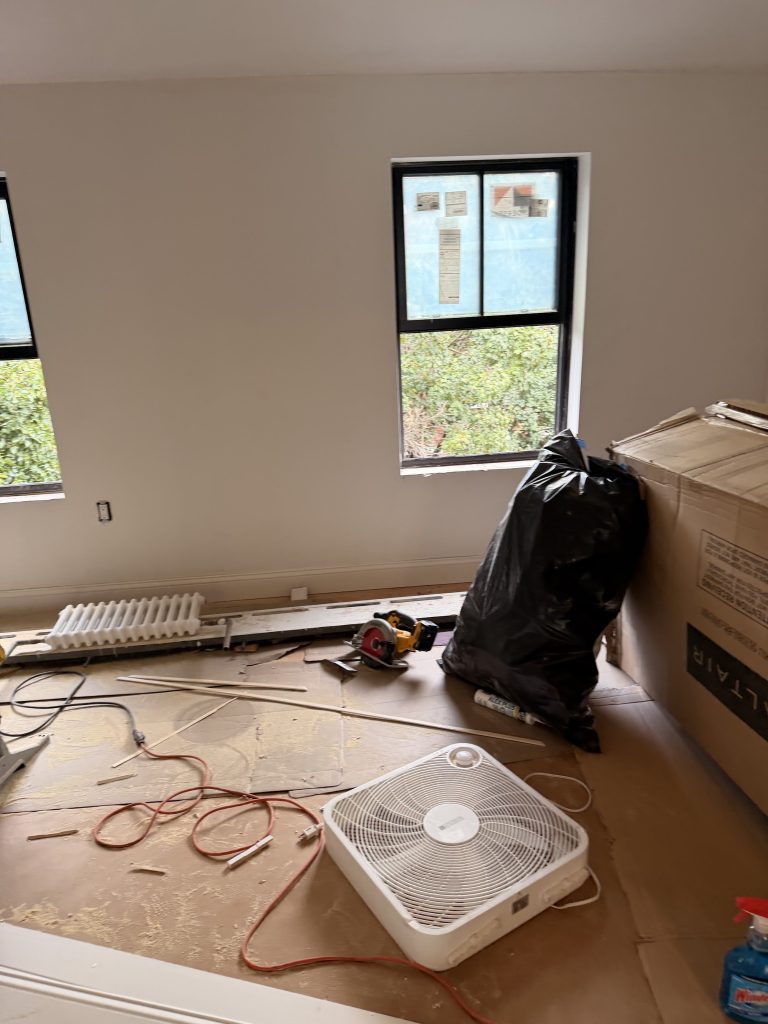
On our Fishtown job, rebuilding the studs and beams was the most complex part and caused most of the delays. After the structure: windows, roofing, insulation, HVAC, and every bathroom you add.
Why builder’s risk insurance matters
For a second, third or fourth floor addition, we strongly recommend builder’s risk insurance. It’s a policy for the project itself, covering damage to the work and the house during construction, for example a storm while the roof is open. Your homeowner’s policy may not cover all of it during a major construction project. Ask before you sign:
- Who buys the builder’s risk policy, you or the contractor?
- What does the contractor’s own liability insurance cover?
- Does your homeowner’s insurance company know about the project?
The safest setup is all three: the contractor’s insurance, your homeowner’s insurance and builder’s risk for the project.
Adding an elevator to your home
If you’re building up to a third or fourth story, an elevator is an investment we recommend. It makes a tall rowhome usable at every age, lets you stay in the house longer, and adds real value. We’re building one right now.
What a home elevator costs
A single-family home elevator with us typically runs about $120,000–$160,000, depending mostly on the number of floors it serves. Other systems, such as hydraulic elevators, can cost much less.
What affects the price
- Number of stops: each floor adds shaft, doors and finish work.
- Type of system: the drive system changes the equipment cost and the space it needs.
- The shaft: in a rowhome, finding the space and building a shaft through each floor is often the biggest part of the job.
- Structure and power: framing around the shaft, and a dedicated electrical supply.
- Permits and inspections: an elevator has its own approvals on top of the addition’s building permit.
When to plan it
The best time is during the design of the addition, so the shaft, structure and electrical are drawn into the plans from day one. Adding an elevator later almost always costs more.
Permits and timeline
Additions need a structural engineer, a zoning review (height limits vary by block, and some projects need a variance) and a building permit from Philadelphia L&I, with plans sealed by a licensed architect or engineer. On our Fishtown project, the permit took about 3.5 months to approve. Check any contractor on the City’s L&I contractor lookup before you hire.
2027 prices: lock yours in a signed contract
Don’t get an estimate now and wait until next year to sign. Without a signed contract, your contractor will re-evaluate the price, and in most cases it goes up: lumber, windows, roofing and labor all rise, and tariffs add to it. If you know you’re building, the way to protect your budget is a signed contract with a clear scope. The permit wait can then run while prices are locked.
Home addition cost: questions people ask
How much would it cost to add a third floor in Philadelphia?
With Nu-View, a third-floor addition starts at about $140,000–$150,000. With a primary suite, closet, HVAC and a second bathroom it’s closer to $180,000, and larger projects can reach $500,000–$600,000.
Is it cheaper to add an addition or build up?
In most Philadelphia rowhomes there’s no room to build out, so building up is the way to add space. Building up means removing the roof and reinforcing the structure, which is why the structure is the biggest part of the cost.
Is a home addition worth it?
Yes. With high interest rates and a hard market to buy and sell in, adding space to the home you own lets you keep your rate and your neighborhood while increasing your home’s value.
Can you live in the house during an addition?
You can. The owners of our Fishtown addition lived there the whole time. But we don’t recommend it: it’s dusty and loud, and staying costs more because the crew has to keep the house livable and clean every day.
Do I need builder’s risk insurance for an addition?
We strongly recommend it for any second, third or fourth floor addition, because the house is open to the weather during the structural phase.
Planning a home addition in Philadelphia for 2027?
See our home addition service, the full house renovation cost guide, or contact Nu-View at (267) 203-4880. Permits take months, so the best time to start is now.